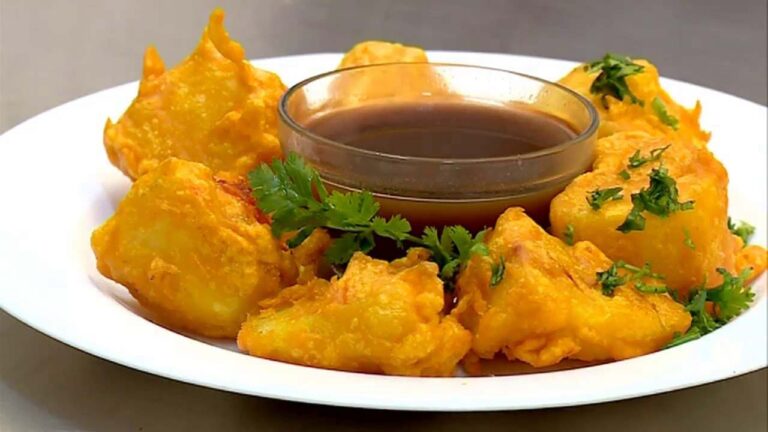
Muhogo wa Nazi (Creamy Swahili Cassava in Coconut Milk)
Muhogo wa Nazi is a beloved coastal Kenyan dish — cassava simmered in rich coconut milk until soft, fragrant, and utterly comforting. This Swahili classic appears on many breakfast and brunch tables along the coast, and it’s one of those recipes that feels like home the moment you smell the coconut and spices simmering together.
I remember visiting my aunt in Mombasa during school holidays. Every morning she’d wake early and start peeling muhogo while the kettle boiled for tea. By mid-morning the house smelled like fresh coconut — and when she served the muhogo with warm Kenyan chai and mahamri, everyone came running. Good food, she said, gathers people faster than any invitation.
Ingredients
| Ingredient | Quantity |
|---|---|
| Cassava (muhogo), peeled and chopped | 1 kg |
| Coconut milk (fresh or canned) | 2 cups |
| Onion, finely chopped | 1 medium |
| Garlic, minced | 2 cloves |
| Tomato, chopped (optional) | 1 medium |
| Turmeric (optional, for color) | ½ teaspoon |
| Green chili (optional) | 1 small, sliced |
| Salt | To taste |
| Cooking oil | 1 tablespoon |
| Fresh coriander (dhania) for garnish | Small bunch |
Step-by-Step Method
- Prepare and boil the cassava. Peel the cassava well, remove the tough core, and cut into medium pieces. Rinse and boil in salted water until soft when pierced with a fork (about 20–30 minutes depending on the cassava).
- Make the flavor base. In another pan, heat a tablespoon of oil. Sauté the chopped onion until translucent, then add garlic and sliced green chili (if using). Stir for a minute until fragrant.
- Add tomato and spices. If you like, add the chopped tomato and a pinch of turmeric. Cook until the tomato breaks down into a light sauce — this adds a nice color and depth but is optional for purists.
- Pour in coconut milk. Add the coconut milk and bring to a gentle simmer. Simmer for 3–5 minutes so the flavors marry and the coconut scent fills the kitchen.
- Combine cassava and simmer together. Add the boiled cassava to the coconut sauce, stir gently to coat, then simmer on low for another 8–10 minutes so the cassava soaks up the creamy sauce.
- Finish and garnish. Taste and adjust salt. Sprinkle with chopped coriander before serving. Serve hot.
What to Serve With Muhogo wa Nazi
Muhogo wa Nazi is traditionally enjoyed with Swahili breakfast items like mahamri (sweet fried bread) or soft chapati. It’s also lovely with plain rice for a simple lunch. A hot cup of Kenyan chai completes the coastal experience.
Nutrition Snapshot
| Benefit | Notes |
|---|---|
| Energy | Cassava is high in carbohydrates — great for sustained energy. |
| Healthy Fats | Coconut milk provides medium-chain triglycerides (MCTs) and a creamy texture. |
| Vitamins & Minerals | Contains vitamin C and small amounts of minerals — enhanced when served with fresh sides. |
Variations & Notes
- Spicy: Add more chilies or a pinch of chili powder for heat.
- Herby: Finish with a squeeze of lemon and extra coriander for brightness.
- Richer: Stir in a spoonful of coconut cream near the end for an ultra-creamy finish.
- Vegetarian twist: Add diced pumpkin or sweet potato for variety and extra nutrients.
Where to Learn More
For another coastal take on muhogo and related recipes, see this guide: Muhogo wa Nazi on Cookpad.
Final Thoughts
Muhogo wa Nazi is simple, comforting, and deeply rooted in coastal Kenyan kitchens. It’s a reminder that the best meals are often made from humble ingredients cooked with care and shared with family. Try this recipe on a lazy weekend morning and let the coconut aroma bring your kitchen to life — just like it does on the Coast.