How to Cook Ndengu (Kenyan Green Grams Stew)
In almost every Kenyan household, there’s that one meal that always brings comfort and warmth — and for many, it’s Ndengu. Known as green grams, Ndengu is a staple dish loved for its rich flavor, affordability, and high nutritional value. It’s packed with protein, making it a go-to meal for both families and students looking for a healthy, filling option.
Growing up in Kenya, Ndengu was one of those dishes my mum would prepare on a cool evening. The aroma of onions and tomatoes cooking down to a thick stew base would fill the air, and I knew chapati or rice would soon follow. To this day, Ndengu remains one of my most cherished comfort foods.
What is Ndengu?
Ndengu is the Swahili name for green grams or mung beans. It is often cooked as a thick stew with onions, garlic, tomatoes, and spices, then enjoyed with common Kenyan staples like rice, chapati, or ugali. For more about the cultural background of mung beans, you can also check out the detailed article on its nutrition and uses.
Ingredients You’ll Need
- 2 cups Ndengu (green grams), pre-boiled
- 2 medium onions, finely chopped
- 3 ripe tomatoes, blended or chopped
- 2 cloves of garlic, crushed
- 1 teaspoon grated ginger
- Cooking oil
- 1 teaspoon curry powder
- 1 teaspoon turmeric
- 1 fresh chili (optional, for heat)
- Salt to taste
- Fresh coriander leaves for garnish
Step-by-Step Preparation
- Boil the Ndengu: Wash and boil the green grams until soft. This usually takes 30–40 minutes depending on their age.
- Prepare the base: In a sufuria (cooking pot), heat some oil and fry the onions until golden brown.
- Add flavor: Stir in the garlic, ginger, and chili, letting the aromas release.
- Tomato sauce: Add the tomatoes and cook them down until they form a thick, rich paste. Sprinkle in curry powder and turmeric.
- Combine: Add the boiled Ndengu and stir well, allowing the flavors to blend.
- Simmer: Add a little water depending on your desired stew thickness, then simmer for 10–15 minutes.
- Finish: Sprinkle fresh coriander and adjust seasoning before serving.
What to Serve with Ndengu
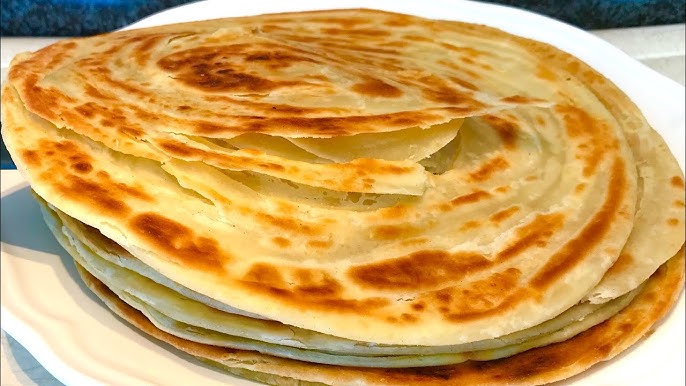
One of the beauties of Ndengu is how versatile it is. You can serve it with rice for a simple meal, or pair it with chapati for a feast that feels like home. For a more traditional Kenyan experience, Ndengu also goes really well with ugali. Each combination brings out a different aspect of this humble yet nourishing dish.
Ndengu vs Matoke
If you’ve ever had matoke, you’ll notice that Ndengu shares the same “traditional food” category in Kenyan homes. While matoke is hearty and starchy, Ndengu shines for its plant-based protein. Both are wholesome meals that remind us of our cultural heritage.
Final Thoughts
Kenyan Ndengu is more than just a stew — it’s a dish full of memories, culture, and health benefits. Whether you’re a student looking for a budget-friendly recipe, a family searching for nourishing meals, or someone simply curious about Kenyan cuisine, Ndengu will never disappoint. Try it out, and let it bring a little bit of Kenya into your kitchen.